
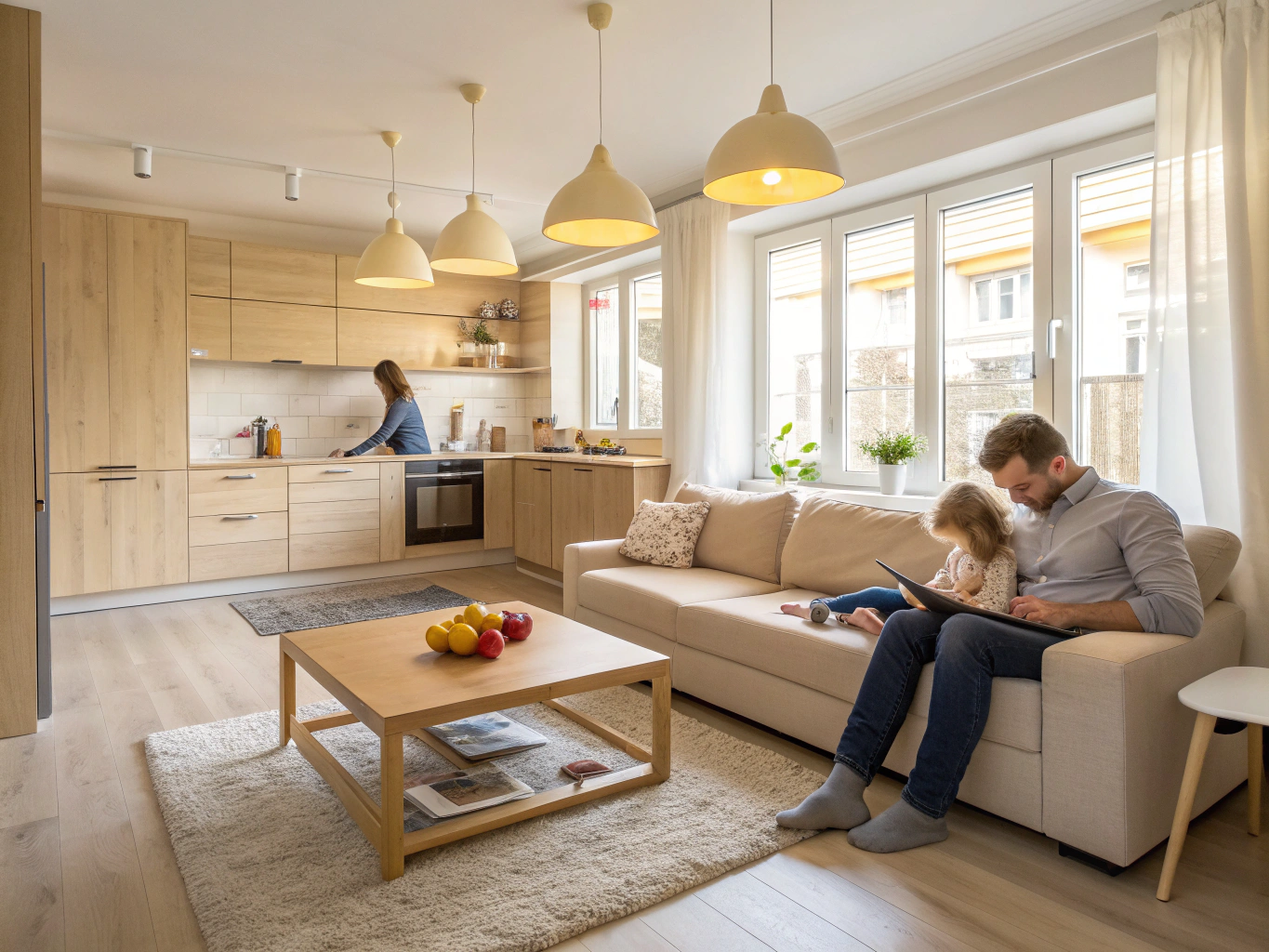
In-Law & Family Suites in Durham Region
From a simple guest room to a fully permitted suite with a private kitchen — we build every tier. And we tell you exactly what the law requires at each one.
Back to Basement FinishingBuilt for the People You Love — Built to the Law That Protects You
An in-law suite is one of the most personal builds we do. It is not a rental unit. It is a space for your parents to age with dignity, for your adult children to land while they get started, or for a family member who needs to be close but not crowded.
But the law does not care about your intentions. The moment certain features are present — specifically a stove — your basement becomes a self-contained dwelling unit under the Ontario Building Code. And a self-contained dwelling unit has strict requirements whether you rent it or not.
We build every tier of family suite at Cornerstone. We also make sure you understand exactly what each tier means legally — before a dollar is spent.
Three Tiers — Choose the Right Build for Your Family
Not every family suite is the same build. The features you choose determine the permits you need, the laws that apply, and what the space can do for your family in 20 years.
Guest Suite
- —No kitchen — bedroom, bathroom, living area only
- —Shared entrance through main house
- —No building permit for minor work
- —Cannot be legally rented — ever
- —Best for short-stay family visits
$25,000 – $50,000
Cannot add a stove later without triggering full suite requirements and a new permit.
Kitchenette Suite
- —Bar fridge, microwave, small sink — NO stove
- —Shared entrance may be acceptable
- —Permit required for plumbing and electrical work
- —Cannot be legally rented
- —Best for parents wanting light independence
$45,000 – $80,000
Adding a stove at any point triggers full OBC suite requirements and a new permit application.
Full In-Law Suite
- —Full kitchen — stove, fridge, sink, exhaust fan
- —Separate entrance required by OBC
- —Full building permit and ESA electrical permit
- —Legally rentable if registered
- —Best for long-term family living and aging in place
- —Qualifies for $7,500 federal tax credit
- —Qualifies for CMHC $80,000 loan at 2%
$60,000 – $120,000+
Most families who build Tier 2 wish they had built Tier 3.
The Stove Rule — Why One Appliance Changes Everything
Under the Ontario Building Code, a stove is not just an appliance. It is a legal trigger. The moment one is installed in a basement space — regardless of who lives there — every secondary suite requirement applies.
The moment a stove is installed in a basement space, the Ontario Building Code classifies that space as a self-contained dwelling unit. It does not matter that your mother lives there. It does not matter that no money changes hands. It does not matter what you call it. The stove is the trigger — and once it is triggered, every secondary suite requirement applies.
This means a separate entrance is required. A 30-minute fire separation ceiling is required. Egress windows are required in every bedroom. Independent heating is required. An ESA electrical permit is required. A building permit is required before any of this work begins. And an occupancy permit is required before anyone moves in.
Homeowners who skip the permit and install a stove anyway are not saving money. They are creating a liability that can cost $100,000 in fines, force them to gut the renovation they just paid for, void their home insurance, and expose them to legal action if anything goes wrong.
If your family member wants a stove — and they should, because real independence means real cooking — build the full suite. Pull the permit. Do it right. The cost difference between a kitchenette and a full permitted kitchen is $15,000–$25,000. The cost of getting caught is up to $100,000 plus restoration plus legal fees plus voided insurance.
OBC Division B Section 9.8 — independent egress that does not pass through the main unit.
Two layers 5/8" Type X drywall minimum. One layer does not achieve the rating.
Minimum net clear opening per bedroom. No dimension less than 380mm (15").
Interconnected throughout both units. Wireless interconnection now OBC-permitted.
OBC Section 9.32 — no shared furnace without approved fire dampers.
GFCI in kitchen and bathrooms. AFCI in bedrooms. Dedicated circuits for all appliances.
Must vent directly to exterior — never to attic, never recirculating.
The Math Is Not Close
The cost difference between a kitchenette and a full permitted kitchen is $15,000–$25,000. The cost of getting caught with an unpermitted stove can exceed $100,000 — plus restoration, plus legal fees, plus voided insurance.
Financial Incentives — Up to $87,500 Available for Family Suites
A full permitted in-law suite qualifies for federal and provincial programs that a kitchenette suite never will. We coordinate all documentation as part of your project.
- —Loan amount: Up to $80,000
- —Interest rate: Fixed 2% per annum
- —Repayment period: Up to 15 years
- —Monthly payment on $80,000: approximately $516/month
- —Eligibility: Owner-occupied home adding a legal secondary suite
- —Must apply through CMHC-approved lender before construction begins
- —At 2% over 15 years total interest is approximately $12,400 — far cheaper than a HELOC at current rates
- —Can be combined with the federal tax credit
- —Tax credit rate: 15% non-refundable on eligible renovation expenses
- —Maximum eligible expenses: $50,000
- —Maximum credit value: $7,500
- —Eligibility: Suite must house a qualifying relative — senior 65+ or adult with a disability
- —Claimed on personal income tax return for the year renovation is completed
- —Only available on permitted builds — no permit means no credit
- —Cannot be claimed on a kitchenette suite that was never permitted
- —Insulation: Rebates on R14 Roxul basement wall insulation upgrades
- —Smart thermostats: Rebates on smart line-voltage thermostats for baseboard heating
- —Energy assessments: Up to $600 when bundled with qualifying measures — pre-registration required
- —Durham sump pump with battery backup: Municipal subsidy available — confirm with City of Oshawa Works Department
- —Backwater valve: Municipal subsidy may apply if installed during plumbing rough-in
Most programs require pre-registration or application before construction begins. Cornerstone coordinates all required documentation as part of your project. Eligibility confirmed at your project diagnostic.
Full Kitchen vs Kitchenette — What the OBC Requires
The line between these two is a stove. Everything else on this list follows from that one decision.
Kitchenette
No full-size refrigerator required. Microwave or countertop cooktop only.
Installing a stove triggers full OBC secondary suite requirements immediately.
Permitted. Drain must connect to municipal sewer with proper venting.
No exterior exhaust fan required for a kitchenette without a stove.
No dedicated circuits required beyond standard room outlets.
Shared entrance through main house is acceptable for a kitchenette suite.
Required for plumbing and electrical rough-in work. Not a full suite permit.
A kitchenette suite cannot be registered or legally rented.
Full Kitchen
All three required for OBC legal kitchen definition. Missing any one = not a legal kitchen.
Minimum storage space required per occupant under OBC.
Range hood or exhaust fan must vent directly to exterior. Never to attic. Never recirculating.
GFCI protection on all kitchen circuits. Dedicated circuits for all major appliances. ESA permit required.
Arc fault circuit interrupter protection required in all bedrooms of the suite.
Independent egress that does not pass through the primary dwelling. Non-negotiable.
Change-of-use permit from Oshawa Building Services before construction begins. ESA permit separate.
Full kitchen suite can be registered as a legal secondary suite and legally rented.
Not Sure Which Tier Is Right for You?
We walk every basement before we recommend a build tier. Book your diagnostic and we will tell you exactly what your space can support — legally and practically.
Designing for Accessibility & Aging in Place
A well-built in-law suite works for your parents today and for a tenant in 20 years. We design for both horizons on every build.
Accessible Bathroom
Curbless showers, grab bars, wider doorways minimum 810mm, and comfort-height toilet. Built to accommodate a walker or wheelchair without a future renovation. Standard on every Cornerstone in-law bathroom build.
Separate Temperature Control
Independent thermostat control for the suite. OBC allows shared HVAC with fire dampers — but a dedicated system or separate thermostat zone is the professional standard for multi-generational builds. No arguments over the furnace.
Circadian Lighting
Programmable lighting systems that mimic the natural solar cycle. Critical for seniors — supports healthy sleep-wake patterns and reduces fall risk at night. Integrated into the electrical rough-in during the build, not added after.
Softened Architectural Details
Curved elements, arched doorways, and rounded corners reduce injury risk and create a calmer environment. The 2026 design standard for senior-focused spaces and one of the most requested features on Cornerstone in-law builds.
Dedicated Electrical Sub-Panel
A secondary panel ensures a localized breaker trip from a medical device or space heater does not impact the rest of the house. Standard on every Cornerstone in-law build. Required if the suite has a full kitchen.
Separate Hot Water Supply
A dedicated tankless hot water unit for the suite eliminates competition for hot water between households. Recommended over splitting the main tank — more reliable, more efficient, and fully independent for the suite occupant.
Inside a Cornerstone In-Law Suite

Accessible Bathroom — Curbless Shower

In-Law Suite Living Area

Full Kitchen Build

Separate Entrance Build

Bedroom with Egress Window

Open Concept Suite Layout
All Cornerstone in-law suites are built to 2024 OBC standard. Full kitchen builds are permitted, inspected, and registered before occupancy.
What an In-Law Suite Costs in Durham Region
Three tiers. Real numbers. One locked price before we start.
$15,000 – $35,000
Exterior door, framing, weatherproofing, and hard-surface walkway to street. Required by OBC if a full kitchen is present. Cost depends on excavation and existing foundation openings.
$2,500 – $6,500 each
Enlarging existing windows to OBC minimums (0.35m²). Required in every bedroom of a permitted suite. Includes cutting, lintel, window well if below grade, and waterproofing.
$18,000 – $35,000
Curbless shower, grab bars, comfort-height toilet, wider doorways minimum 810mm. Built for long-term accessibility without future renovation.
$15,000 – $25,000
Stove, fridge, sink, cabinets, countertop, and exhaust fan vented to exterior. Triggers full OBC suite requirements. Separate entrance required.
$8,000 – $15,000
Bar fridge, microwave, small sink, and countertop. No stove. Does not trigger full suite requirements. Cannot be legally rented.
$3,500 – $8,000
Type-X drywall assemblies, resilient channels, mineral wool insulation, and fire-stopping at all mechanical penetrations. Required when a full kitchen is present.
$4,500 – $9,000
Dedicated ductless mini-split for independent temperature control. Professional standard for multi-generational builds. No shared furnace complications.
$2,000 – $4,500
Lower upfront cost than a mini-split. Electric baseboard heaters on a dedicated sub-panel. Fully independent from the main floor heating system.
$1,800 – $3,500
Dedicated panel for the suite. Ensures a medical device or space heater breaker trip does not affect the rest of the house. Standard on every Cornerstone in-law build.
$2,000 – $5,000
Roxul Safe'n'Sound insulation and acoustic sealant in ceiling and party walls. Privacy between households. No footstep noise or muffled conversations through the ceiling.
$1,200 – $2,500
Dedicated washer and dryer electrical circuit and plumbing drain and supply. Full independence for the suite occupant. Stacked unit rough-in adds one day of labour.
$1,500 – $3,500
Building permit, ESA electrical inspection, and municipal registration fee. Required for all full kitchen builds. Unlocks federal tax credit and CMHC loan eligibility.
In-Law Suite Investment Calculator
Select your suite tier, adjust square footage, choose finish level, and add optional scopes to refine your estimate.
+$15,000 – $35,000
+$15,000 – $25,000
+$15,000 – $25,000
+$2,500 – $6,500
+$4,500 – $9,000
+$1,800 – $3,500
+$1,200 – $2,500
+$3,500 – $8,000
Estimated investment range
This suite tier qualifies for up to $87,500 in CMHC loans and federal tax credits. Eligibility confirmed at your project diagnostic.
Ranges reflect Durham Region market pricing as of 2025. Final investment confirmed in your written proposal — price locked before work begins.
START YOURBASEMENT DIAGNOSTIC
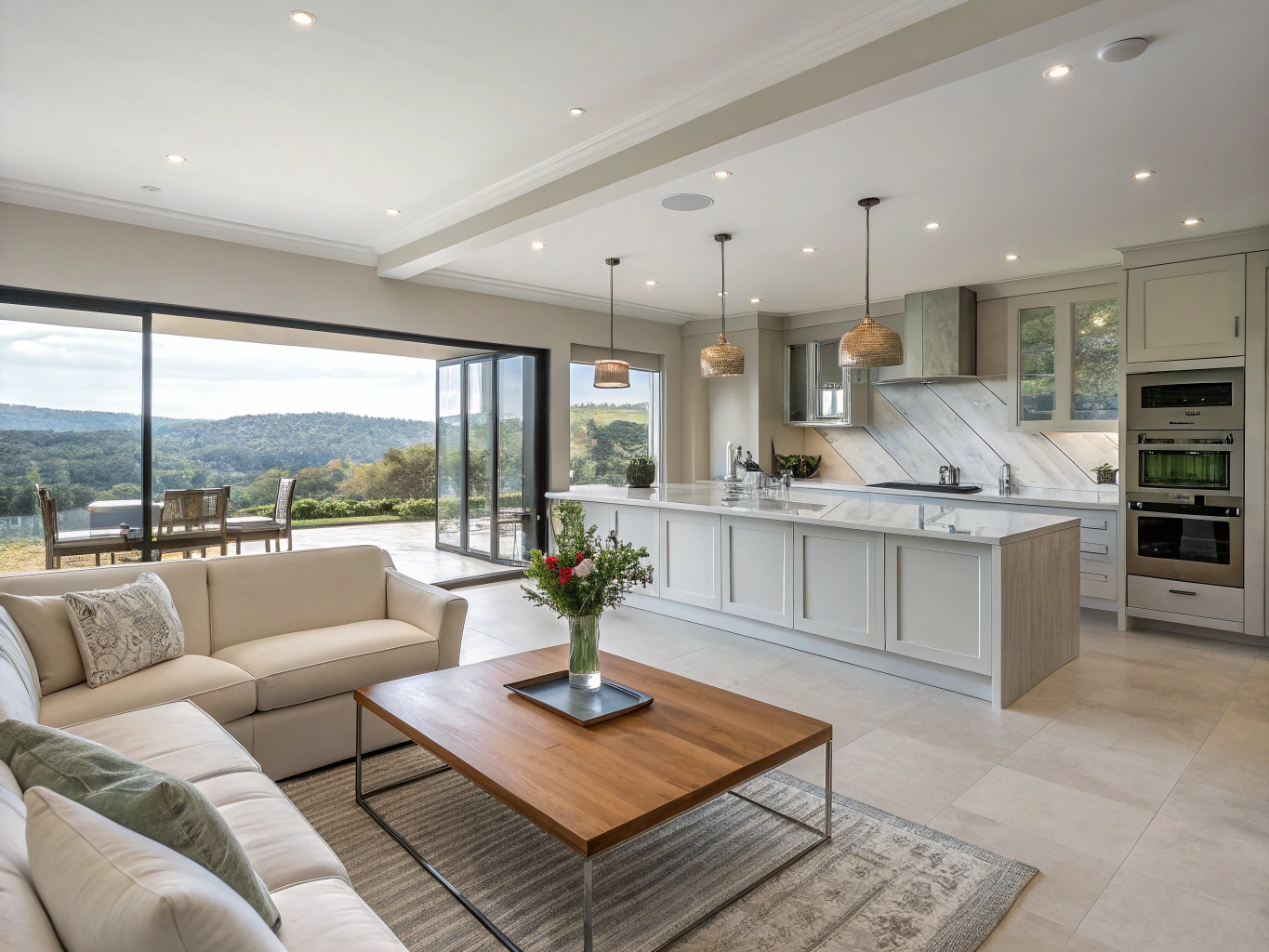
Ready to Build a Space Your Family Will Use for the Next 20 Years?
Book your project diagnostic. We walk the space, confirm ceiling heights, review your zoning, and tell you exactly which tier makes sense for your family — before a dollar is spent.